
A step towards real accessibility
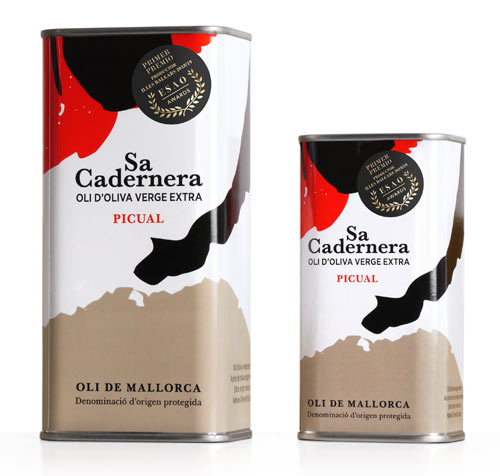
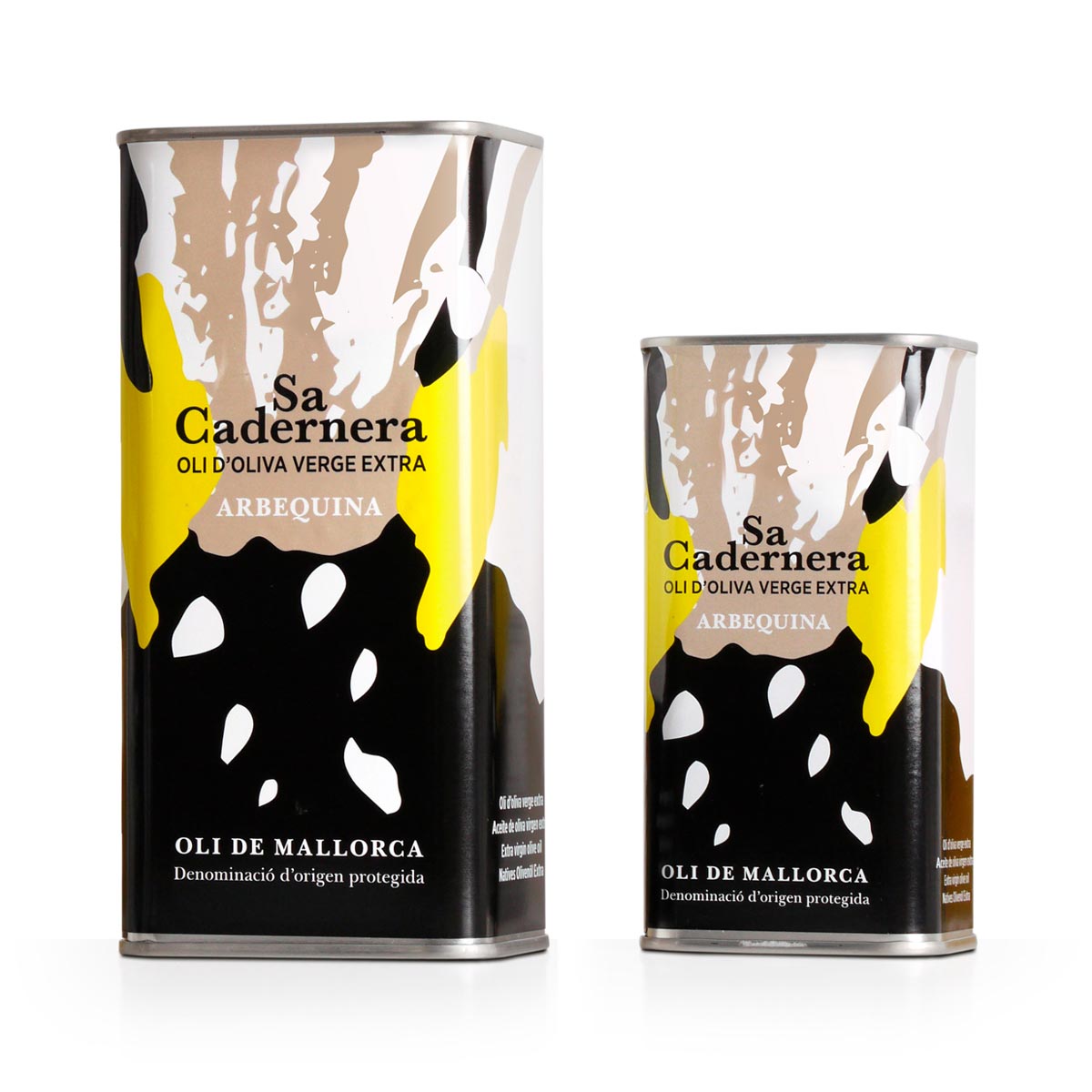
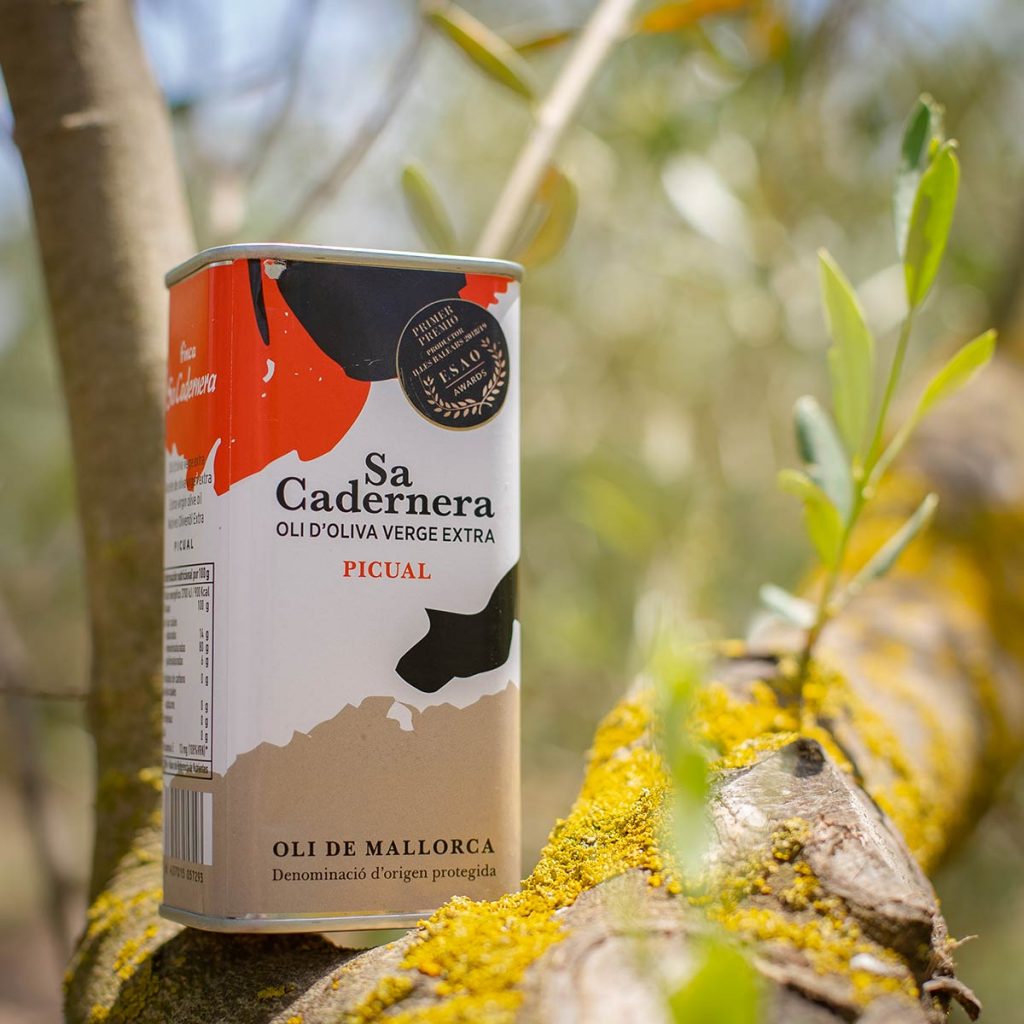
At Finca Sa Cadernera, we believe that every small gesture can make a big difference. That is why we have taken a step forward in our commitment to corporate social responsibility by incorporating braille on the side of our 250 ml and 500 ml extra virgin olive oil cans, both in the picual and arbequina varieties. This development not only improves the accessibility of our products, but also reinforces our mission to contribute to a more inclusive world.

Why is Braille important on extra virgin olive oil packaging?
Braille is much more than a tactile reading system for blind or visually impaired people. It is a tool for autonomy, safety and empowerment. Incorporating Braille labelling on extra virgin olive oil allows anyone to identify the product independently, avoiding confusion and facilitating safe consumption.
In Spain, although Braille labelling is only compulsory for medicines, more and more companies in the food sector are opting for this inclusion on a voluntary basis, demonstrating a firm social commitment.
The process: From idea to reality
Contact with the ONCE Foundation and the Spanish Braille Commission
To ensure the correct implementation of Braille on our labels, the first step was to contact the ONCE Foundation, specifically the Spanish Braille Commission and Labelling Department. Their team advised us from the outset, providing us with the necessary manuals and guidelines to adapt the design of our labels to international accessibility standards.
Expert advice and support
Thanks to the dedication of the ONCE Foundation, we receive detailed guidance on:
- The optimal placement of the braille on the packaging.
- The most appropriate printing techniques to ensure the legibility and durability of the embossing.
- The minimum content that braille labelling must include to be truly useful.
This accompaniment was key to overcoming the technical challenges and ensuring that the final result met the expectations of the users.
Supervision and final validation
Once the incorporation of braille in the design of the labels had been completed, the Spanish Braille Commission carried out a review and after their approval, we gave the green light to print the labels.

How was Braille labelling on cans carried out?
There are different techniques for incorporating braille into packaging, such as dry embossing, moulding or the use of polymers or embossed varnish. In our case, an embossed varnish called ‘Braille varnish’ was used, which is ideal to guarantee maximum legibility and durability, ensuring that the braille remains intact throughout the life of the product.
Cans of extra virgin olive oil with Braille labelling
Autonomy and security for all
Extra virgin olive oil with braille labelling makes it easier for visually impaired people to identify the product without relying on third parties. This reduces the risk of errors and promotes safer consumption.
Corporate social responsibility
Corporate social responsibility is not a trend, but a necessity. Adopting measures such as braille labelling on extra virgin olive oil contributes to a fairer and more accessible society for all.
The social impact of a simple gesture
Although it may seem like a small change, the incorporation of Braille on extra virgin olive oil packaging is a great step forward for real inclusion. In Spain, more than 71,000 people affiliated to ONCE and many others with low vision benefit from this type of initiative, which allows them to make consumption decisions autonomously and safely.
We hope that such actions will inspire other companies to follow suit, multiplying the positive impact on society.
Conclusion
Our extra virgin olive oil cans with braille labelling are our contribution to building a more accessible, fair and inclusive world.
The future of extra virgin olive oil is inclusive, and at Finca Sa Cadernera we are proud to lead this change.